


Free express quote
Dr. Youssef Gam, Specialist in Scar-Free Rib Remodeling – Tunisia
Introduction: Revolution in Rib Remodeling
RibXcar represents a major advance in the field of thoracic deformity correction. This innovative technique, using a 3D rib grill system with cartilaginous ventilation, offers an effective solution for patients suffering from congenital or acquired thoracic deformities. Unlike traditional surgical techniques, RibXcar allows precise remodeling of the rib cage while minimizing visible scars and reducing post-operative complications.
As a specialist in rib remodeling in Tunisia, I have guided many patients through this transformative journey. Meticulous management of the pre-operative and post-operative period is crucial to ensure the success of the intervention and the optimal results expected by patients. This informative guide details all aspects of this management, based on my clinical experience and current medical-scientific data.
Pre-Operative Phase: Preparation for Success
Initial Assessment and Consultation
Preparation for RibXcar surgery begins long before the day of the procedure. During the initial consultation, I conduct a comprehensive patient evaluation, including a thorough physical examination, diagnostic imaging (X-rays, CT scans), and a detailed discussion of expectations and potential risks. This phase is essential for determining the feasibility of the intervention and for personalizing the treatment plan according to each patient’s specific morphology and needs.
The patient’s medical history is scrutinized carefully. I am particularly interested in the presence of chronic conditions, drug allergies, and previous surgical interventions. This information allows me to identify potential risk factors and adapt the anesthetic protocol accordingly.
Physical and Psychological Preparation
One week before the intervention, patients should consult their general practitioner for a complete pre-operative examination. This examination typically includes an electrocardiogram, blood tests, and an evaluation of cardiac and pulmonary capacity. This step is critical, especially for patients with a history of cardiovascular or respiratory diseases.
Cessation of certain medications is mandatory before the intervention. All anticoagulants and antiplatelet agents must be stopped according to my medical team’s guidelines. This minimizes the risk of excessive bleeding during the procedure. Additionally, I strongly recommend stopping smoking at least two weeks before surgery, as smoking negatively affects wound healing and increases the risk of pulmonary complications post-operatively.
On a psychological level, I prepare the patient for what they can expect to experience after the operation. Honest conversations about probable post-operative pain, duration of recovery, and temporary restrictions help the patient approach the intervention with realism and determination.
Final Pre-Operative Instructions
The night before the intervention, patients must observe complete fasting. No food, beverages, or even water is allowed after midnight. This pre-operative fasting is a standard safety measure to prevent aspiration during general anesthesia.
At the consultation on the day of the operation, I ask patients to bring a loose-fitting shirt or garment and a tube of scar-healing cream (Biafine or Bepanthen). These items will be useful during the initial recovery phase, particularly when changing dressings.
The RibXcar Surgical Intervention
Innovative Operative Technique
The RibXcar intervention I perform uses a three-dimensional rib grill system (3D Rib Grill) with cartilaginous ventilation. This revolutionary approach allows precise correction of thoracic deformity while preserving normal rib cage dynamics.
The intervention is performed under general anesthesia with intubation. Access to the surgical site is minimally invasive, which reduces tissue trauma and scar formation. Once access is established, I proceed with positioning the 3D rib grill, which is individualized according to the patient’s thoracic morphology. This personalization is a key element of the technique, ensuring that the correction is not only functional but also aesthetic.
The duration of the intervention typically ranges from 2 to 4 hours, depending on the complexity of the deformity and the need for associated procedures. The anesthesia team maintains constant monitoring of the patient’s vital parameters throughout the procedure.
Immediate Post-Operative Phase: First 7 Days
Immobility and Controlled Rest
Immediately after the intervention, the patient remains under intensive hospital supervision. During the first 7 days, relative immobility is imperative. Patients must not stand up or lie down rapidly, as sudden movements could compromise the stability of the newly implanted rib grill. This restriction, although temporary, is absolutely crucial for initial implant consolidation.
Changes in position must be made slowly and gradually. I recommend that the patient be assisted by staff or a family member during any movement. Learning safe positioning techniques begins on the post-operative day and continues throughout the first week.
Pain Management and Comfort
Post-operative pain is expected and is managed effectively through a carefully established pharmacological protocol. The four prescribed medications play complementary roles in post-operative management.
Lansoprazole 30 mg, taken on an empty stomach at 6 a.m., protects the stomach from the side effects of Arcoxia. The latter, a non-steroidal anti-inflammatory drug in the coxib class, is administered every 12 hours with food (7 a.m. and 7 p.m.) and helps control both pain and inflammation. Paracetamol 500 mg is given every 8 hours (7 a.m., 3 p.m., 11 p.m.) as an additional analgesic. Finally, Cefurexime 500 mg, a beta-lactam antibiotic, is prescribed every 12 hours (7 a.m. and 7 p.m.) to prevent post-operative infections. All these medications are administered rigorously for 7 days post-operatively.
Respiratory Exercises and Mobilization
Although rest is important, absolute immobility is not. Deep breathing exercises, called spirometry, are performed 20 times every 4 hours. These exercises are essential for several reasons: they prevent pulmonary complications such as post-operative pneumonia, they improve tissue oxygenation and promote healing, and they help reduce blood clot formation.
When the patient is lying down, they are encouraged to move their hands, arms, legs, and feet constantly. These active movements of the extremities maintain blood circulation and prevent thromboembolic complications, while also relieving general immobility and promoting a sense of well-being.
Positioning and Sleep
Patient positioning in bed is of paramount importance. I strongly recommend sleeping on your back, never on your stomach or side. This dorsal position minimizes pressure on the operated rib cage and prevents involuntary displacement of the implant during sleep. Extra pillows under the knees and lower back help maintain comfort and promote correct positioning.
First Two Weeks: Transition to Moderate Activity
Physical Activity Restrictions
Beyond the first 7 days, but during a total period of 2 weeks, patients must continue to avoid significant physical exertion. Specifically, climbing and descending stairs is forbidden or severely limited, as this involves twisting movements and loads on the rib cage. No weight lifting, no sudden bending, and no vigorous exercise are allowed.
Patients are encouraged to walk slowly on flat surfaces, always with assistance, looking straight ahead. Walking is beneficial because it maintains circulation and prevents thromboembolic complications, but it must be gentle and progressive.
Management of Normal Symptoms
During this period, certain symptoms are completely normal and should not alarm the patient. Swelling of the extremities (arms and legs) is a natural inflammatory response to surgery and may persist for several weeks. Similarly, sensations of movement and cracking on one or both sides of the chest are expected and reflect the adaptation of the bony and cartilaginous structures around the implant.
I regularly reassure my patients about these benign manifestations to reduce anxiety and encourage positive mental recovery.
Long-Term Management: Three Months of Waistband Wear
Importance and Duration of the Waistband
One of the most important elements of post-operative management is the continuous wear of a specialized abdominal band, called a waistband. This band must be worn 24 hours a day, day and night, for a total of 3 months following the intervention. Failing to remove the band during this critical period, except for brief hygiene and scar cream application, is absolutely essential.
The waistband serves several critical functions. First, it provides mechanical support to the healing rib cage. Second, it helps maintain correct alignment of the implanted rib grill. Third, it reduces excessive movements that could compromise the stability of the implant. Finally, it minimizes post-operative swelling by lightly compressing the tissues.
Progressive Band Reduction
After the initial days, the band begins to be reduced gradually. Once a week, the band is decreased by 1 centimeter. This progressive reduction allows thoracic structures to adapt gradually to reduced stability, while maintaining necessary support. After 3 months of continuous wear, the band can finally be removed permanently.
Nutrition and Dietary Restrictions: Optimizing Healing
Protein-Rich Diet and Adequate Hydration
Nutrition plays a fundamental role in post-operative healing. I prescribe a protein-rich diet to support collagen synthesis and tissue repair. Proteins are the building blocks of the body and are essential for rebuilding tissues damaged by surgery.
Hydration is also critical. I recommend patients drink a minimum of 3 liters of water per day. This adequate hydration supports kidney function, promotes healing, dilutes secretions, and prevents constipation, a common problem after surgery due to analgesics.
Strictly Forbidden Foods for 1 Month
During the first year, but particularly during the first month, certain foods are absolutely contraindicated. Chili peppers and irritating spices should be avoided as they can increase inflammation and irritate the stomach. Shellfish, including shrimp, mussels, and oysters, are forbidden due to their high iodine content, which can interfere with healing.
Pork and fish are also excluded from the immediate post-operative diet. These restrictions are not based on popular superstitions, but on clinical observations: certain components of these meats can increase inflammation or interfere with post-operative metabolism.
Tobacco and alcohol should be avoided for approximately 1 month. Smoking significantly compromises local blood circulation, delaying healing. Alcohol interferes with drug metabolism, increases inflammation, and can increase the risk of complications.
Intimate Activities and Daily Life
Resumption of Sexual Activities
A question my patients often ask concerns the resumption of sexual activities. My recommendation is clear: wait at least 1 month before resuming any sexual intercourse. This restriction allows initial healing to progress and reduces the risk that vigorous movements from intercourse might displace the implant or compromise healing.
Warning Signs and When to Seek Emergency Care
Pathological Manifestations
Although most patients experience uncomplicated recovery, certain warning signs require immediate consultation. Fever above 39°C as measured by thermometer indicates possible infection and warrants urgent evaluation. Loss of consciousness or severe fainting should also be reported immediately, as they may indicate cardiovascular complications or septicemia.
Severe pain not relieved by prescribed analgesics, excessive bleeding or abnormal wound drainage, and breathing difficulties or feelings of suffocation are other warning signals that demand prompt medical intervention.
Expected Results and Patient Satisfaction
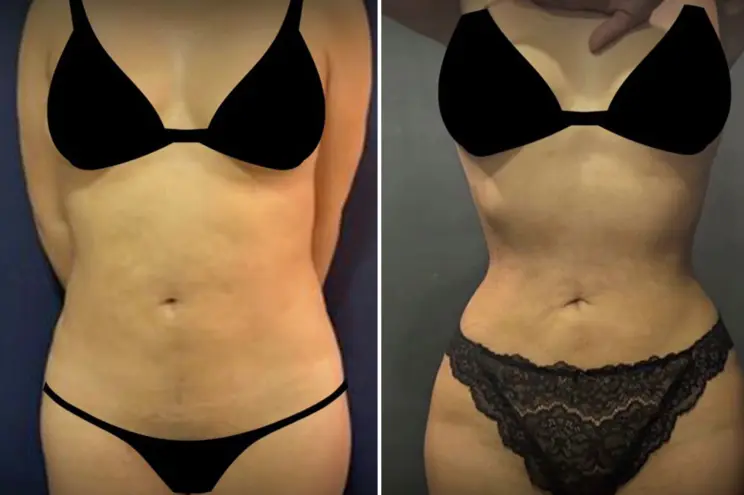
Patients who scrupulously follow these recommendations generally observe remarkable results. Not only is the thoracic deformity corrected, but the aesthetic result is also excellent due to the minimally invasive nature of the technique. Scars are minimal and well-concealed, contrasting favorably with traditional surgical techniques.
Functionally, patients report significant improvement in respiratory capacity, reduced exercise fatigue, and increased confidence in their body appearance. These functional and psychological improvements contribute to better overall quality of life.
Conclusion: Partnership in Recovery
Pre and post-operative management of RibXcar is a partnership between the surgeon, the patient, and the multidisciplinary medical team. As a specialist in scar-free rib remodeling in Tunisia, I am dedicated to guiding each patient through this journey with expertise, compassion, and attention to detail.
The success of RibXcar depends not only on surgical skill, important as it is. It also depends, critically, on strict adherence to pre-operative and post-operative recommendations. Patients who understand the importance of these guidelines and follow them conscientiously achieve the best results.
If you are considering RibXcar surgery or if you have questions about this revolutionary procedure, I invite you to consult with me. Together, we will develop a personalized treatment plan that addresses your specific needs and guides you toward the transformation you desire.
A Propos De l'Auteur

Je m'appelle Ayline. Je suis journaliste et rédactrice du blog Medespoir Esthétique Turquie. J'ai obtenu un Master 2 en Information et Communication spécialisé santé. J'ai 5 ans d'expérience dans l'écriture sur le web santé et bien-être.
Passionnée par le domaine de l'esthétique médicale depuis longtemps, j'ai créé mon blog il y a 3 ans pour informer et conseiller les personnes intéressées par la chirurgie et médecine esthétique.
Mon objectif est de vulgariser ces sujets parfois complexes, de démystifier certaines idées reçues et d'aider à y voir plus clair parmi l'offre abondante.
Je réalise des articles pédagogiques, je donne mon avis sur les dernières innovations, je compare les offres entre pays, je teste de nouvelles cliniques.
Je publie également régulièrement des portraits détaillés de chirurgiens esthétiques renommés en Turquie, en France et à l'international.
Grâce à mon expérience d'écriture et ma curiosité, je sais rendre mes sujets accessibles à tous tout en gardant un regard critique et bienveillant.
